Установка вендинговых аппаратов in 2024: what's changed and what works
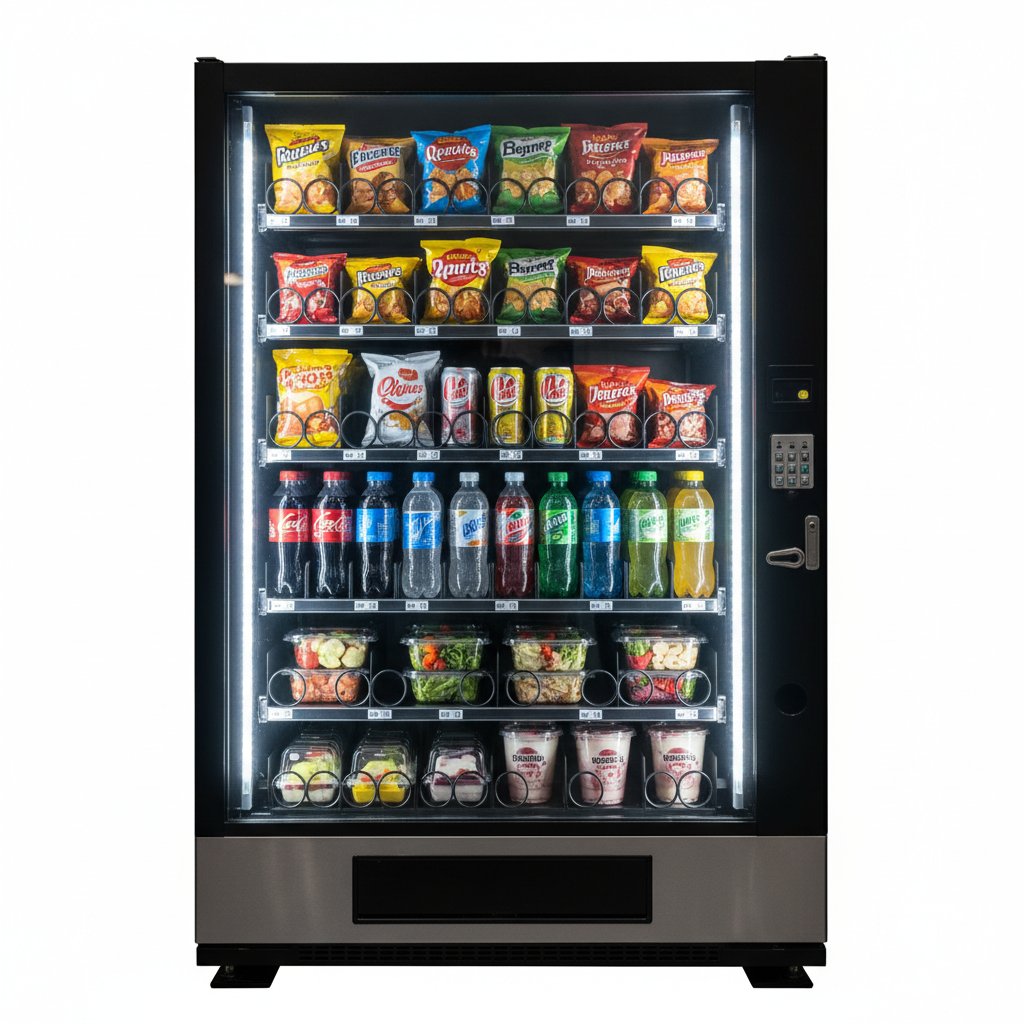
The vending machine game has shifted dramatically over the past year. What worked in 2023 might leave you hemorrhaging cash in 2024. Smart operators are adapting fast, while others are still wondering why their machines sit empty. Here's what's actually moving the needle right now.
1. Cashless Payment Systems Aren't Optional Anymore
Tap-to-pay has become the default expectation. Recent data shows that machines with contactless payment options see 35-40% higher transaction volumes compared to cash-only units. We're not talking about clunky card readers from 2015—modern systems integrate Apple Pay, Google Pay, and even cryptocurrency options in some urban markets.
The upfront cost runs between $300-$800 per machine for quality payment terminals, but the ROI typically hits within 4-6 months. More importantly, you're not dealing with coin jams, cash collection logistics, or the security risks that come with storing physical money. Operators in college towns and tech hubs report that nearly 80% of their transactions now happen digitally.
2. Location Intelligence Has Replaced Gut Instinct
Forget the old "high foot traffic equals good placement" wisdom. Smart operators now use heat mapping software and mobile location data before signing any lease. Companies like Placer.ai and SafeGraph provide detailed analytics on actual dwell times, demographic breakdowns, and peak traffic patterns down to the hour.
One operator in Seattle tested this approach and found that a location with 30% less overall foot traffic but higher dwell times (office building lobby versus busy sidewalk) generated 2.3x more revenue. The sweet spot? Places where people wait for 3-7 minutes with nothing to do. Medical office waiting rooms, DMV offices, and auto service centers consistently outperform traditional retail corridors.
3. Product Mix Has Gone Hyper-Local
The days of stocking every machine with the same Doritos-and-Coke lineup are over. Successful operators now customize inventory based on real-time sales data and local preferences. Machines in yoga studios carry protein bars and kombucha. University library locations stock energy drinks and instant noodles during finals week.
Telemetry systems track which products sell at what times, letting you adjust inventory remotely. One operator in Austin rotated their product mix based on this data and saw a 43% decrease in waste from expired products. They also discovered that their downtown machines sold more cold brew coffee than soda by a 3:1 ratio—something traditional wisdom never would have predicted.
4. Maintenance Windows Have Tightened Significantly
Machine downtime now costs you more than ever because customers have zero patience. A broken vending machine in 2024 doesn't just lose sales during downtime—it loses customers permanently. People simply order from DoorDash instead of waiting for your machine to get fixed.
Top operators now use IoT sensors that alert them to issues before customers even notice. Temperature fluctuations, payment system glitches, and low inventory all trigger immediate notifications. The goal is keeping machines operational 98%+ of the time. Preventive maintenance contracts cost $75-150 per machine monthly, but they prevent the $500-1000 revenue losses that come with multi-day outages.
5. Healthy Options Have Moved from Niche to Necessary
Every location now expects at least 30-40% of your inventory to be "better-for-you" options. This isn't about virtue signaling—it's about capturing the morning and afternoon snack occasions that traditional junk food misses. Protein bars, nuts, dried fruit, and sparkling water have become consistent performers.
The margins are often better too. Premium health-focused products typically carry 45-55% margins versus 30-35% for traditional snacks. A machine in a corporate office building in Denver switched to a 50/50 healthy-indulgent split and saw overall revenue increase by 28% while operating costs stayed flat. Turns out people will pay $4 for a quality protein bar but feel guilty about $2 for chips.
6. Smaller Footprints Are Winning in Unexpected Places
The massive 10-foot vending machines are losing ground to compact units and micro-markets. Countertop machines that hold 100-150 items fit in spaces that would never accommodate traditional units. Barbershops, nail salons, and small office lobbies represent untapped territory that only works with smaller formats.
These compact units cost $2,000-$4,000 versus $8,000-$12,000 for full-size machines, letting you test new locations with less risk. One operator deployed 15 small units across boutique fitness studios for the cost of three traditional machines. Within eight months, 12 of the 15 locations were profitable, and the flexibility let them quickly pull out of underperforming spots.
The vending business in 2024 rewards operators who treat it like a tech-enabled retail operation rather than a passive income scheme. Data drives decisions. Customer experience matters. Location strategy beats location volume. The operators making real money right now are the ones who adapted six months ago—not the ones still thinking about it.