Установка вендинговых аппаратов: common mistakes that cost you money
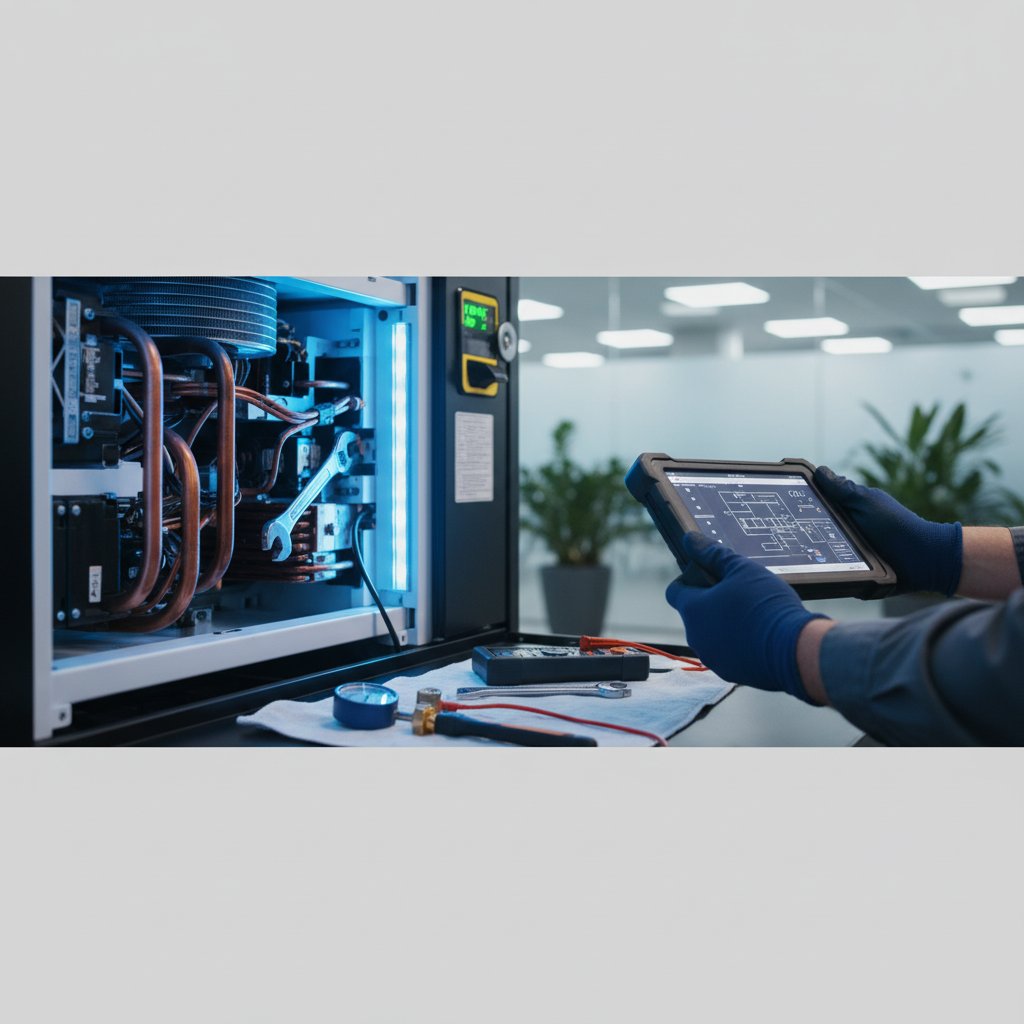
The DIY vs. Professional Installation Showdown: Where Your Vending Machine Dreams Can Go Wrong
So you've bought a shiny new vending machine. Now comes the part where things get interesting—and potentially expensive. That hulking piece of machinery sitting in your garage isn't going to install itself, and how you handle the next steps can mean the difference between passive income paradise and a costly headache.
I've watched countless operators shoot themselves in the foot during setup. Some blow $3,000 fixing electrical issues that could've been avoided. Others lose prime locations because they took too long figuring things out. The choice between rolling up your sleeves or calling in the pros isn't just about saving a few bucks—it's about understanding what you're actually getting into.
The DIY Route: When Saving Money Costs You Money
The Upside
- Immediate cost savings: You'll pocket the $500-$1,500 professional installation fee right away
- Learning curve benefits: Nothing teaches you machine mechanics faster than wrestling with one yourself
- Scheduling flexibility: Work on your own timeline without coordinating with contractors
- Sense of ownership: You'll know every bolt, wire, and quirk of your equipment
The Downside
- Hidden electrical nightmares: That 220V connection you thought was simple? One mistake and you're looking at $2,500 in rewiring costs, plus potential fire code violations
- Time hemorrhaging: What pros finish in 4 hours can take you 2-3 days, especially if you hit snags
- Location relationship damage: Show up unprepared to a mall or office building, and you risk losing that spot entirely—property managers don't appreciate amateur hour
- Warranty voidance: Some manufacturers specifically require certified installation to maintain coverage
- The tool tax: Professional leveling equipment, electrical testers, and proper dollies add up fast—easily $400-$600 if you don't own them
Professional Installation: The Fast Track with Its Own Potholes
The Upside
- Speed and certainty: Your machine goes from truck to operational in under half a day
- Compliance guarantee: Pros know local electrical codes, ADA requirements, and safety regulations cold
- Insurance protection: Their liability coverage handles damage during installation—your homeowner's policy probably doesn't
- Professional presentation: Location owners see a polished operation, strengthening your business relationship
- Equipment expertise: They've installed hundreds of units and spot potential issues before they become problems
The Downside
- Upfront expense: $800-$2,000 per machine depending on complexity and location accessibility
- Scheduling constraints: You're working around their calendar, which might delay your launch by 1-2 weeks
- Knowledge gap: You miss out on intimate familiarity with your machine's internals
- Ongoing dependency: Future modifications or troubleshooting might require calling them back
- Quality variance: Not all installation services are created equal—some subcontract to less experienced techs
Head-to-Head Comparison
| Factor | DIY Installation | Professional Installation |
|---|---|---|
| Initial Cost | $0-$600 (tools/equipment) | $800-$2,000 |
| Time Investment | 16-24 hours total | 4-6 hours (mostly waiting) |
| Risk of Costly Mistakes | High ($1,000-$5,000 potential) | Low (insured and guaranteed) |
| Code Compliance | Your responsibility to research | Guaranteed by installer |
| Location Impression | Variable (depends on your skills) | Consistently professional |
| Learning Value | Extensive hands-on knowledge | Minimal technical understanding |
The Real Money Mistake Nobody Talks About
Here's what actually costs operators the most: choosing the wrong approach for the wrong situation. Installing a simple countertop snack machine in your own retail space? Going pro is overkill. But hauling a 900-pound combo unit into a Class A office building with strict contractor requirements? DIY is borderline suicidal.
The smartest operators I know use a hybrid approach. They handle simple locations themselves and bring in professionals for complex installs. One guy I spoke with DIY'd his first three machines, learned the ropes, then hired pros for his next seven high-profile locations. His reasoning? "I can stock and service machines. I can't afford to lose a $4,000-per-month location because I scratched their marble floor."
Your first installation sets the tone for your entire vending business. Rush it, cheap out in the wrong places, or overestimate your handyman skills, and you'll pay for it—literally. But overthink it and hire pros for every dinky break room placement, and you'll never see positive ROI.
The question isn't which approach is better. It's which approach matches your skill level, location requirements, and business timeline. Answer that honestly, and you'll save yourself a world of expensive mistakes.