The real cost of Установка вендинговых аппаратов: hidden expenses revealed
The $15,000 Vending Machine That Actually Cost $32,000
Jake Martinez thought he'd done his homework. He'd found a solid vending machine supplier, negotiated what seemed like a fair price of $15,000 for two state-of-the-art combo machines, and secured a prime location at a busy office complex. Six months later, after tallying up electrical work, permit fees, restocking logistics, and a dozen other "minor" expenses, his actual investment had ballooned to over $32,000. Sound familiar?
The vending machine business has this reputation as a passive income goldmine. Buy a machine, fill it with snacks, watch the money roll in. Except there's a massive gap between the sticker price and what you'll actually spend to get those machines humming along profitably.
The Price Tag Is Just the Beginning
Most people fixate on the machine itself. New machines run anywhere from $3,000 for a basic snack unit to $10,000+ for refrigerated combo models with card readers and telemetry. Used machines? You're looking at $1,200 to $4,500, depending on condition and features.
But that's like buying a car and forgetting about insurance, gas, and maintenance. Let's crack open the real numbers.
Site Preparation: The Surprise Budget Killer
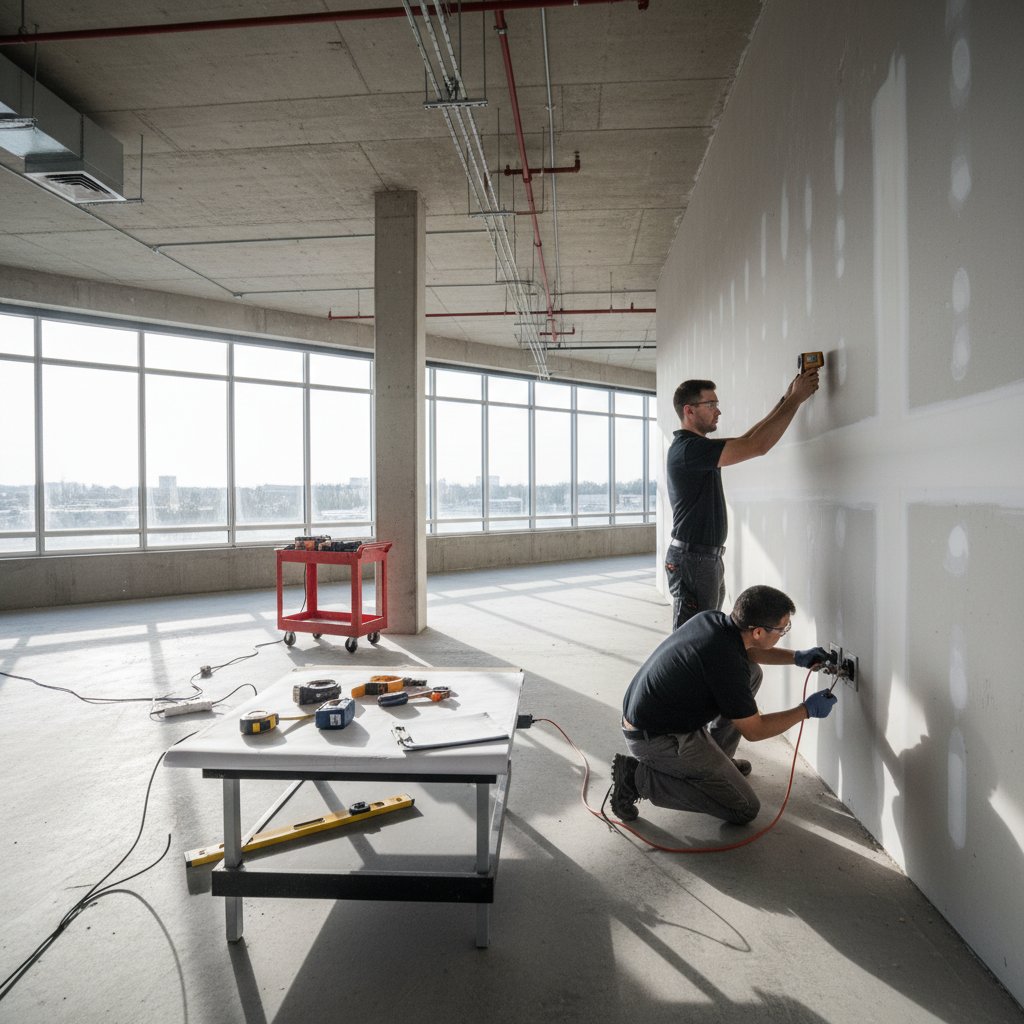
Here's what nobody tells you: most locations aren't vending-ready. That electrical outlet? Might not handle the 15-20 amp draw your refrigerated machine needs. Upgrading electrical can run $500 to $2,500 depending on how far the nearest appropriate circuit is located.
One operator in Chicago told me he spent $1,800 just running a dedicated line 40 feet across a warehouse. "The electrician took one look and basically laughed at my budget estimate," he said.
Then there's flooring. Vending machines are heavy—800 to 1,000 pounds when fully stocked. Older buildings sometimes need floor reinforcement. That's another $300 to $1,000 you didn't plan for.
The Commission Trap
Landing a great location feels like winning the lottery. Until you see the commission structure. Property owners typically want 10% to 25% of gross sales. High-traffic spots like airports or hospitals? Try 30% to 50%.
Do the math: if your machine generates $500 monthly and you're paying 20% commission, that's $100 straight off the top before you've restocked a single candy bar. Over a year, you're handing over $1,200 just for the privilege of being there.
The Ongoing Expenses That Keep Coming
Insurance and Permits
General liability insurance runs $400 to $800 annually for a small operation. Some locations require additional coverage, pushing that to $1,200 or more. Business licenses and vending permits vary wildly by municipality—anywhere from $50 to $500 per year, per machine in some cities.
Transportation and Labor
Unless you live next door to your machines, you're burning gas. Figure $40 to $100 monthly in fuel for regular service routes. Your time counts too. Most operators spend 2-3 hours per machine monthly on restocking, cleaning, and maintenance. If you're paying someone else, that's $15 to $25 per hour in most markets.
Product Spoilage and Theft
Refrigerated items expire. Machines malfunction and food goes bad. Industry estimates peg spoilage at 2% to 5% of inventory for temperature-controlled machines. On $6,000 in annual product costs, that's potentially $300 lost to waste.
Theft and vandalism? Budget $200 to $800 annually depending on your location. That includes stolen products, damaged coin mechanisms, and the occasional machine that gets tipped over by someone who really wanted that bag of Doritos.
Maintenance and Repairs
Vending machines break. Compressors fail, bill validators jam, touchscreens crack. A service call averages $150 to $300. Major repairs like replacing a refrigeration unit can hit $800 to $1,500.
Smart operators budget 5% to 8% of gross revenue for maintenance. On a machine pulling in $6,000 yearly, that's $300 to $480 you need to set aside.
What the Pros Know
I spoke with Maria Chen, who runs 23 machines across three states. Her advice? "Triple your initial budget estimate. Seriously. I thought I could start with $10,000. I actually needed $28,000 to get three machines running sustainably."
She breaks down her real first-year costs for a single machine: $5,000 for the machine, $800 electrical upgrade, $600 initial inventory, $500 insurance, $250 permits, $1,200 in commissions, $400 maintenance, $600 in fuel and labor. That's $9,350 before she saw a dime of profit.
According to industry data, the average vending machine generates $35 to $50 per week in revenue. Sounds decent until you subtract 35% to 40% for product costs, then layer on all these hidden expenses. Suddenly, your monthly profit per machine might be $150 to $300, not the $500+ you imagined.
Key Takeaways
- Real startup costs run 2-3x the machine price when you include installation, permits, insurance, and initial inventory
- Location commissions eat 10-50% of gross revenue, dramatically impacting profitability
- Budget 5-8% of revenue for ongoing maintenance plus $400-800 annually for insurance
- Factor in 20-30 hours monthly for route servicing across multiple machines
- Break-even typically takes 18-24 months, not the 6-12 months often advertised
The vending business can work. It does work for thousands of operators. But it works because they went in with open eyes and realistic budgets. They planned for the electrical upgrades, negotiated commission rates before signing leases, and kept cash reserves for inevitable repairs.
Jake, the guy from our opening? He's profitable now, two years in. But he wishes someone had shown him the real spreadsheet before he started. Consider this your real spreadsheet.